China implemented export controls on bismuth in February 2025, requiring export licenses for bismuth metal and certain other bismuth products. These export controls led to less availability of bismuth metal outside of China and higher prices. At the same time, other countries continued to ship bismuth products and China continued to export goods not subject to export controls. This post highlights the findings from an analysis of recent bismuth production and trade data to assess the impact of China’s export controls.
What is bismuth and where does it come from?
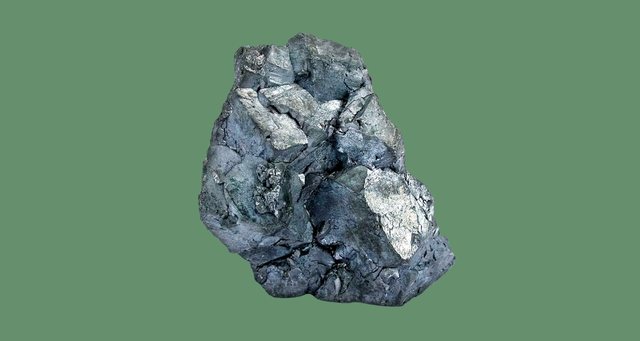
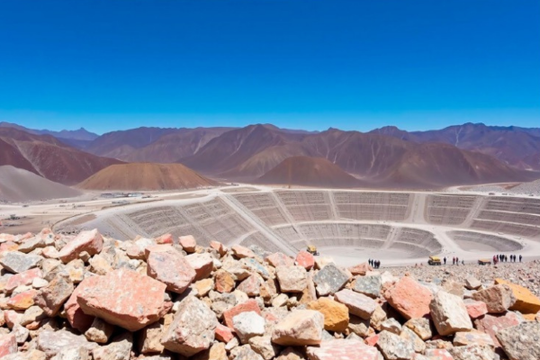
Bismuth is primarily a byproduct of mining other products, such as lead ore, tungsten, zinc, and other minerals, though there is some mining that is focused on bismuth. There is also secondary production (production from recycled materials) of bismuth. The largest application for bismuth is in chemical production for use in the cosmetic, pharmaceutical, industrial, and laboratory sectors (based on data for the United States and Europe). Other key applications include bismuth alloys and metallurgical additives.
When did China announce export controls and what did they cover?
On February 4, 2025, China announced export licensing requirements for bismuth metal products not covered by existing export controls and certain other bismuth products. The export licensing requirements did not cover bismuth oxides and hydroxides (including bismuth trioxide), bismuth nitrates, and bismuth carbonates.
What are Silverado’s nine takeaways on bismuth production and trade?
1.) Global bismuth refinery production was flat from 2024 to 2025, with the share of production in China and other countries remaining generally the same, indicating that production patterns did not substantially change following China's implementation of export controls.
2.) China's exports of bismuth metal products fell sharply due to export controls and remained low throughout the year. Exports of bismuth trioxide, which is not subject to export controls, initially increased and then returned to more typical levels.
3.) Other global exporters have not filled the gap left by the decline in Chinese exports of bismuth metal.
4.) Global prices for high purity bismuth metal substantially increased following the implementation of China's export controls.
5.) China did not ship export-controlled bismuth to the United States after the implementation of export controls, though it did ship bismuth trioxide.
6.) U.S. imports of export-controlled bismuth metal fell after the implementation of export licensing requirements and have not returned to prior levels. U.S. importers are still able to access supply in other Asian countries and Europe.
7.) U.S. imports of certain other bismuth products not subject to export controls (nitrates, carbonates, and certain mixtures) increased in 2025.
8.) China replaced Germany as the top source of U.S. bismuth nitrate imports in 2025, with Belgium also supplying the U.S. market.
9.) The impact of China's export controls on the prices of U.S. imports varied by product, with the highest impact on the prices of high purity bismuth metal.
Silverado’s new infographic examines trends in China’s exports of germanium metal following China’s export licensing requirements and ban on exports to the U.S.